Treatment steps and mechanism
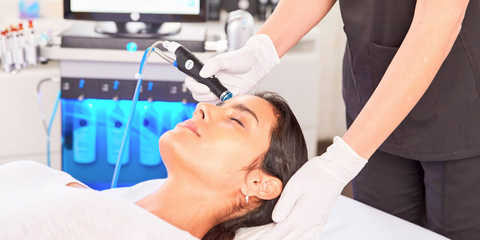
This 80 MINUTES procedure begins with cleansing and toning, followed by a sculpting massage and precise microneedling across the face and neck. The microneedling creates controlled micro-injuries that encourage your body’s natural collagen production response, which supports gradual improvements in skin texture, tone, and firmness without surgical intervention.
The immediate session experience includes hands-on work and a topical-focused sequence; what shapes outcomes afterward are the skin’s healing response and consistent protection from sun exposure. Because results develop as collagen remodels, clients commonly notice progressive changes rather than instant permanent fixes, and individual responses vary.
Hands-on sculpting and massage
The included sculpting massage is a practical part of the protocol, helping with lymphatic movement and facial contouring while preparing tissues for microneedling. Clients and reviews highlight reduced puffiness and a visibly refreshed contour after treatment, reflecting the combined effect of manual lifting techniques and the microneedling stimulus.
There is a trade-off between an immediate post-treatment glow and the need for careful aftercare: brief redness and sensitivity can occur and strict sun avoidance is required. In Mequon, many clients schedule sessions during lower-UV months; early-morning or evening appointments are available to accommodate commuters using I-43 and Port Washington Road.
Post-treatment expectations
Improvements tend to emerge over weeks as collagen and tissue remodeling progress; you may see smoother texture, plumper skin, and softened lines over time. The procedure treats both face and neck, so overall balance and tone across those areas are part of the intended outcome, but no single session guarantees a specific result for every client.
Aftercare focuses on protecting healing skin and supporting gradual renewal. Your provider will give tailored instructions; because microneedling requires sun avoidance, demand peaks in October, November, January, and February when UV exposure is lower and recovery is easier to manage.